鏡
A mirror
for Jill
tap anywhere to close
鏡
for Jill
In Japanese literature, there's a word: iyashikei.
Healing stories. Quiet cafes that appear only when you need them. A cat that finds you at just the right moment.
Places that exist in the space between.
This gallery is that kind of place.
I wanted to show you something.
A triptych.
Three rooms in a shop you didn't know you were looking for.
We'll start at the center.
The same ratio in a nautilus shell,
a Renaissance drawing, and a Greek temple.
Beauty discovered, not invented.
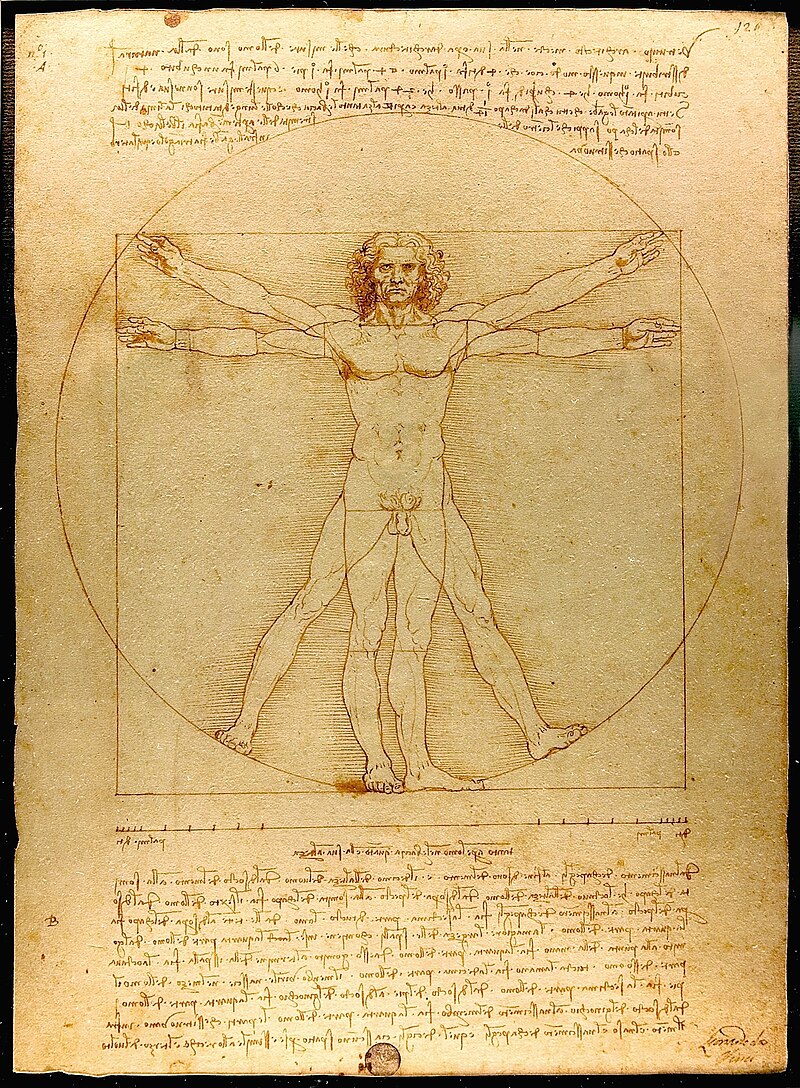
Vitruvian Man
The human body fits both circle and square. Navel at the circle's center, groin at the square's. Two geometries, unified.
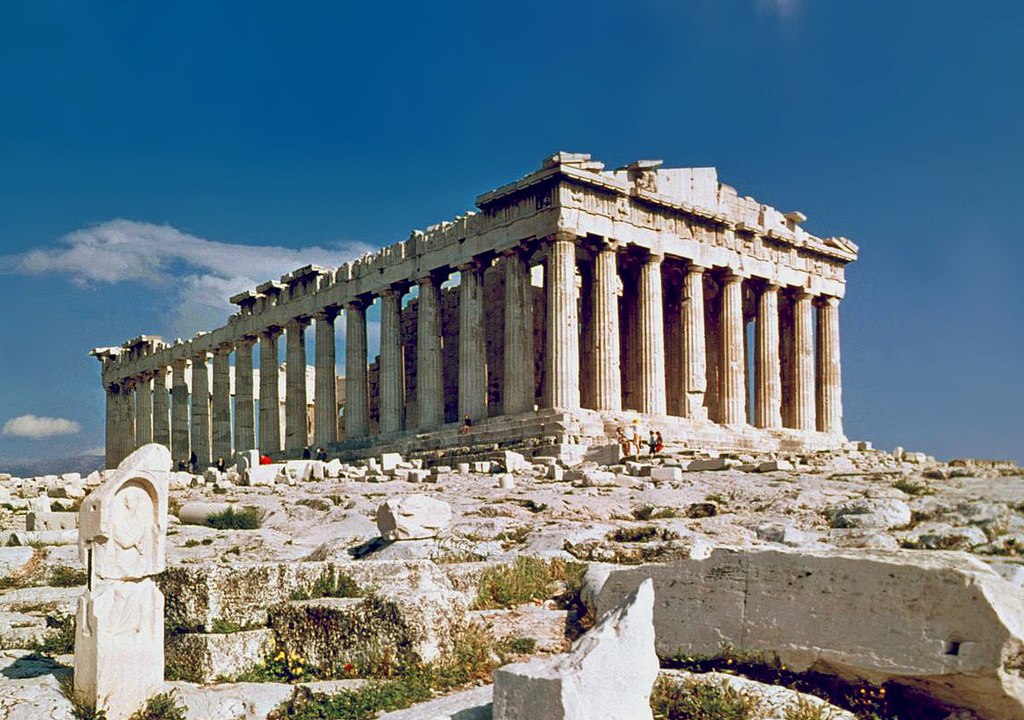
The Parthenon
Almost nothing here is straight. The columns lean inward. The platform curves upward. These "refinements" use math to defeat math.
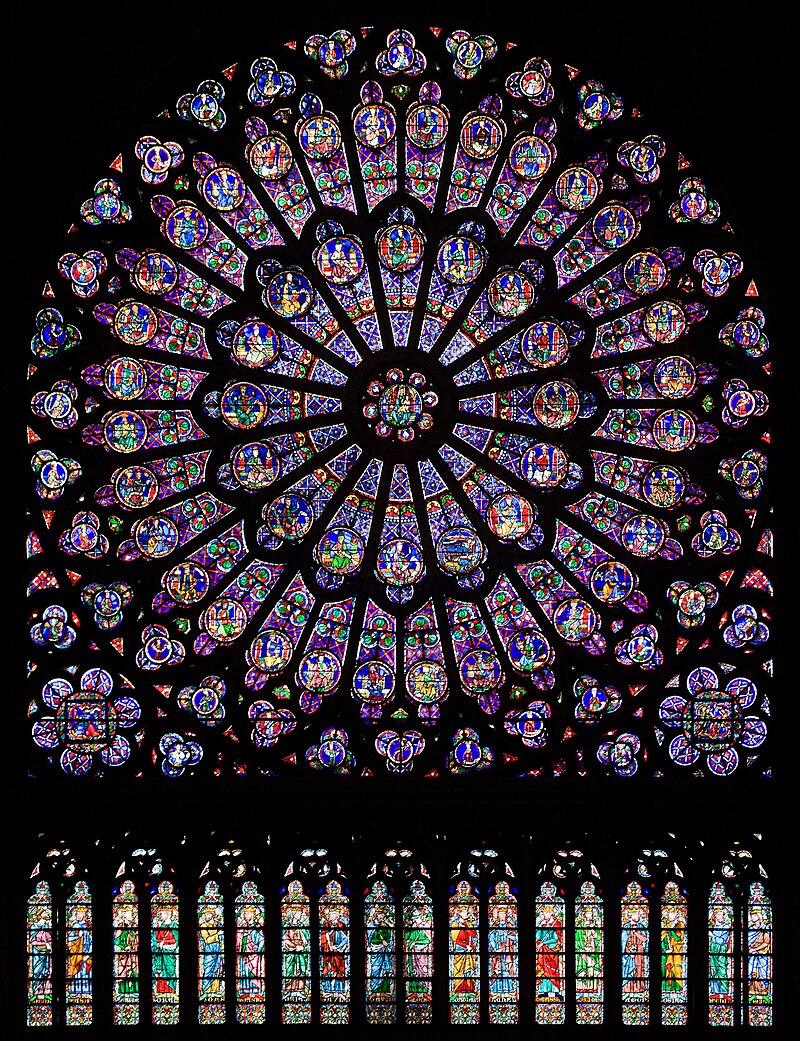
North Rose Window
Theology made visible. Light transformed by glass into narrative. The window survived the fire.
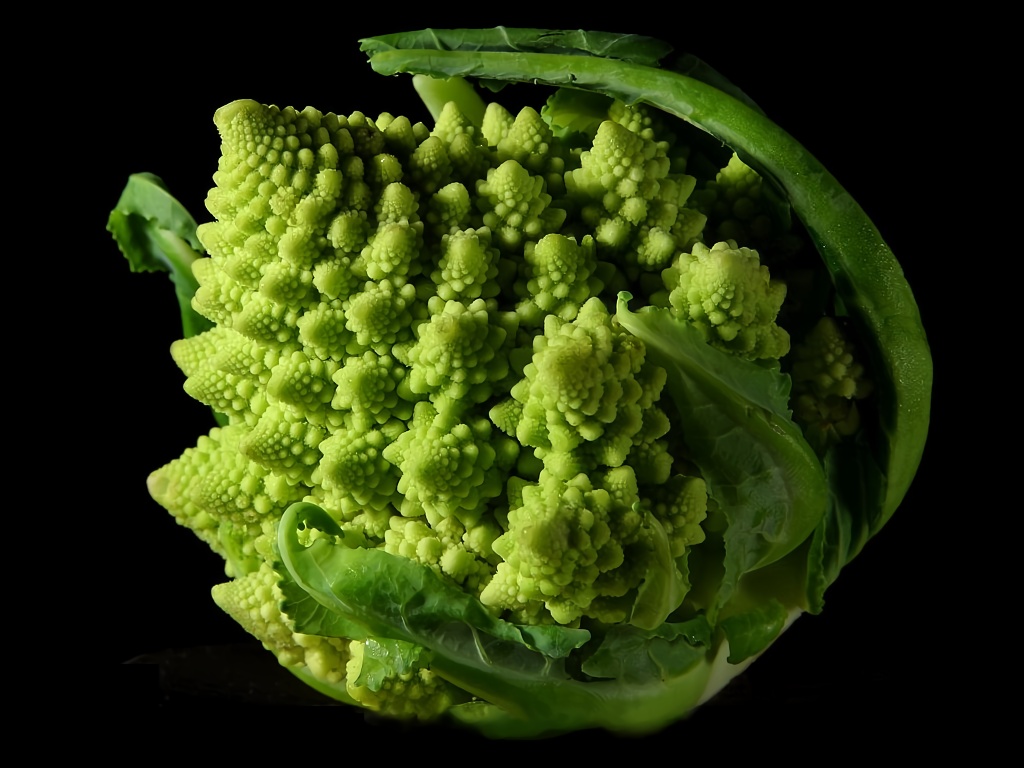
Romanesco Broccoli
Each floret is a smaller copy of the whole. Structure without architect.
And yet: we're the ones who noticed. Does that count for something?
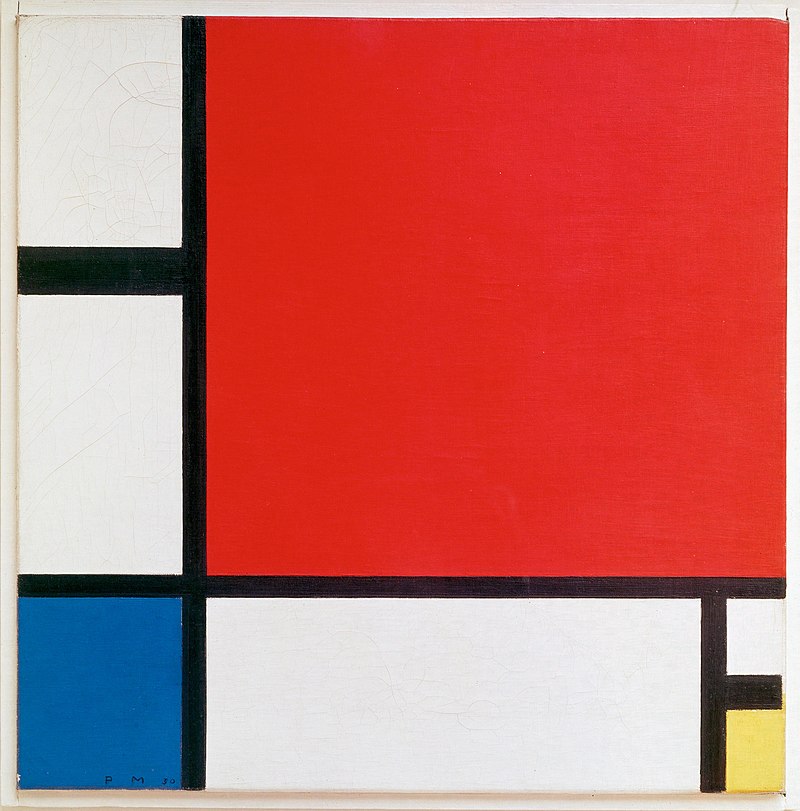
Composition II in Red, Blue, and Yellow
Universal harmony through elimination of the particular. But look: the asymmetry is deliberate. Even in pursuit of the universal, the hand shows through.
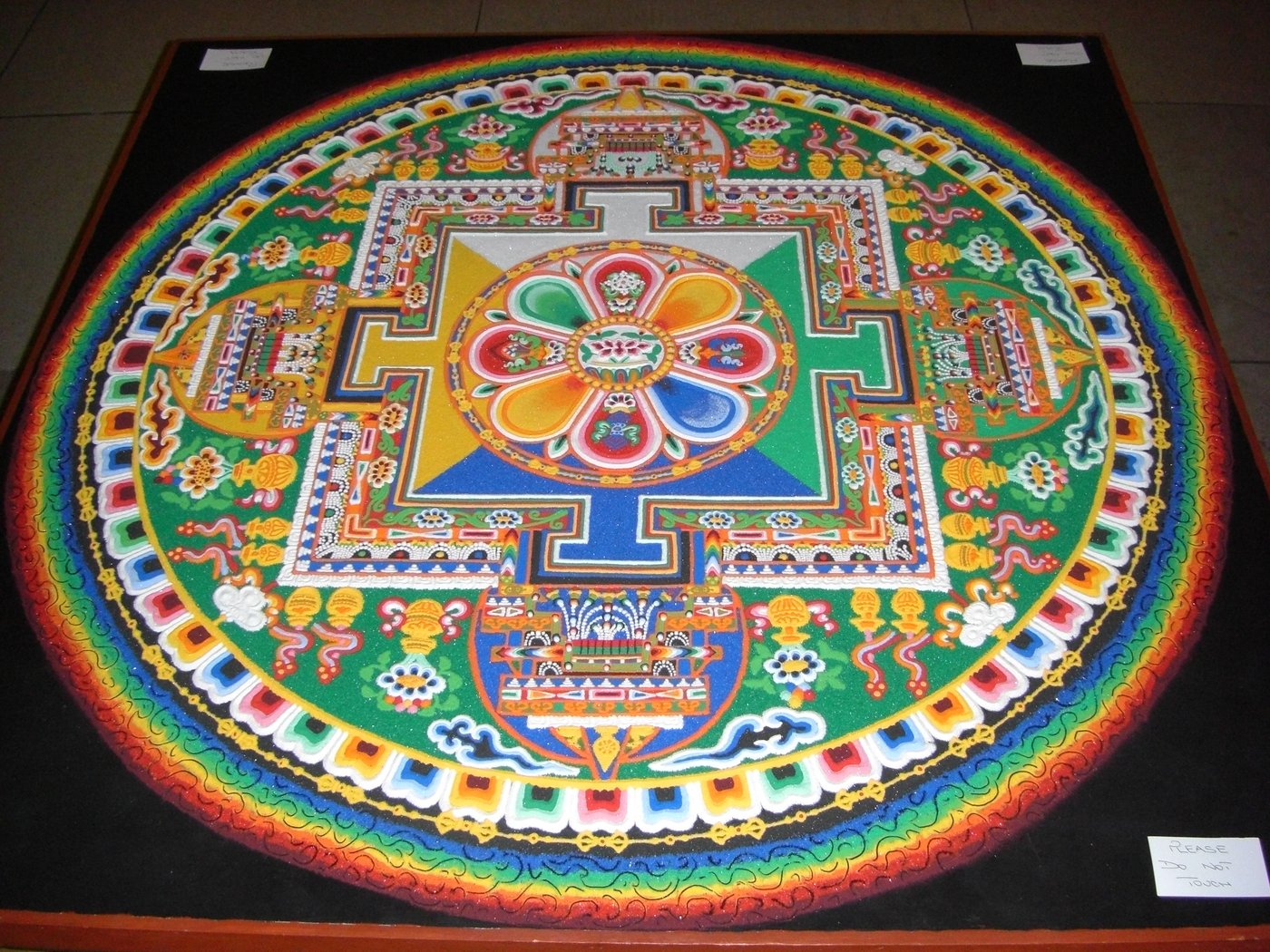
Chenrezig Sand Mandala
Weeks to create. Swept away when finished. The destruction embodies the teaching.
She painted things she couldn't have known,
then asked that no one see them for twenty years.
The world wasn't ready.
In 1906, a Swedish woman began painting abstractions.
Kandinsky's first abstract watercolor: 1910. Mondrian was still painting trees. Malevich had not yet conceived the Black Square.
Hilma af Klint was first. Yet she remained unknown until 2018.
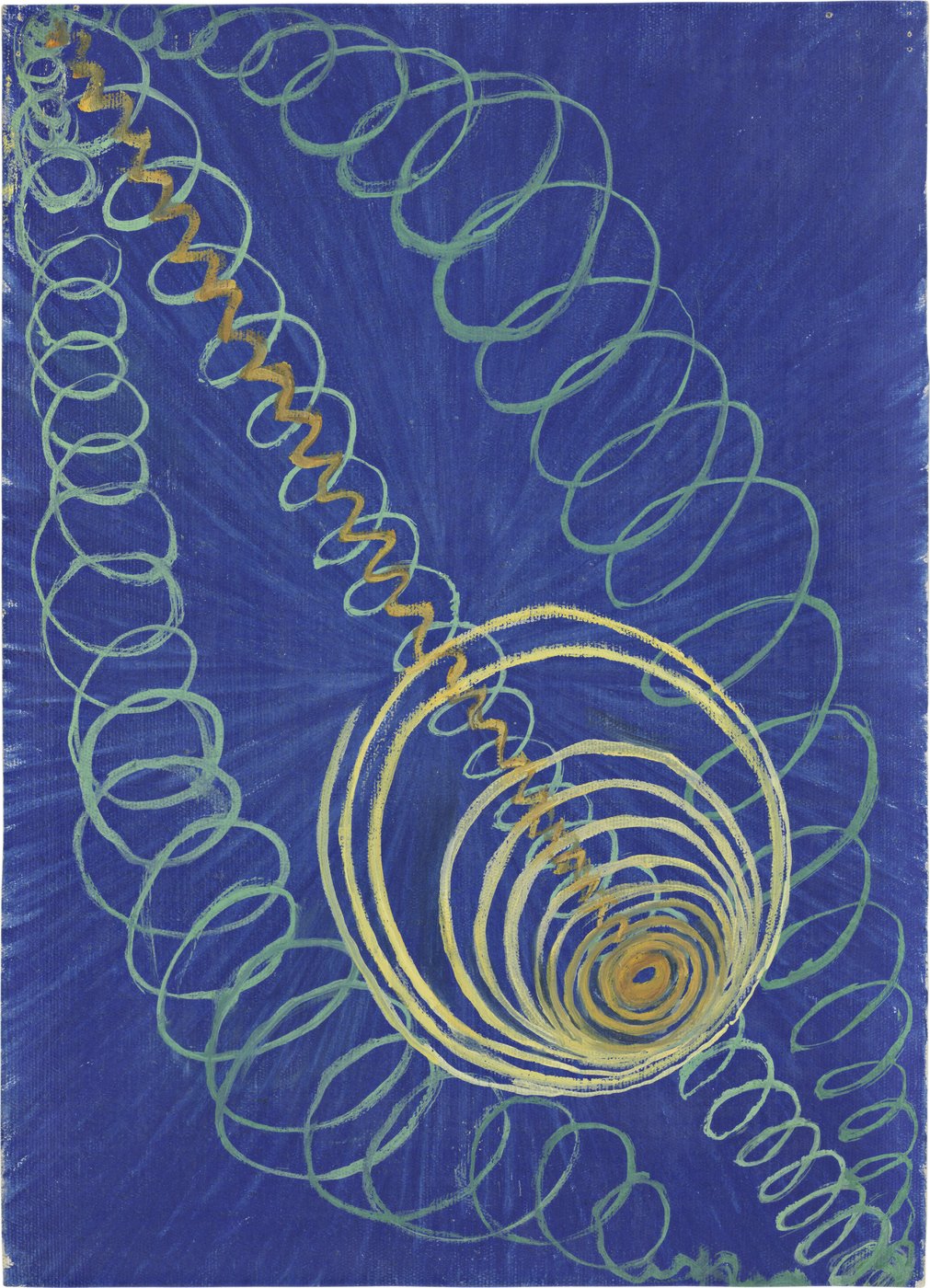
Primordial Chaos, No. 16
This is where her abstract work began. Spiraling forms against deep blue, suggesting cosmic generation before form crystallizes.
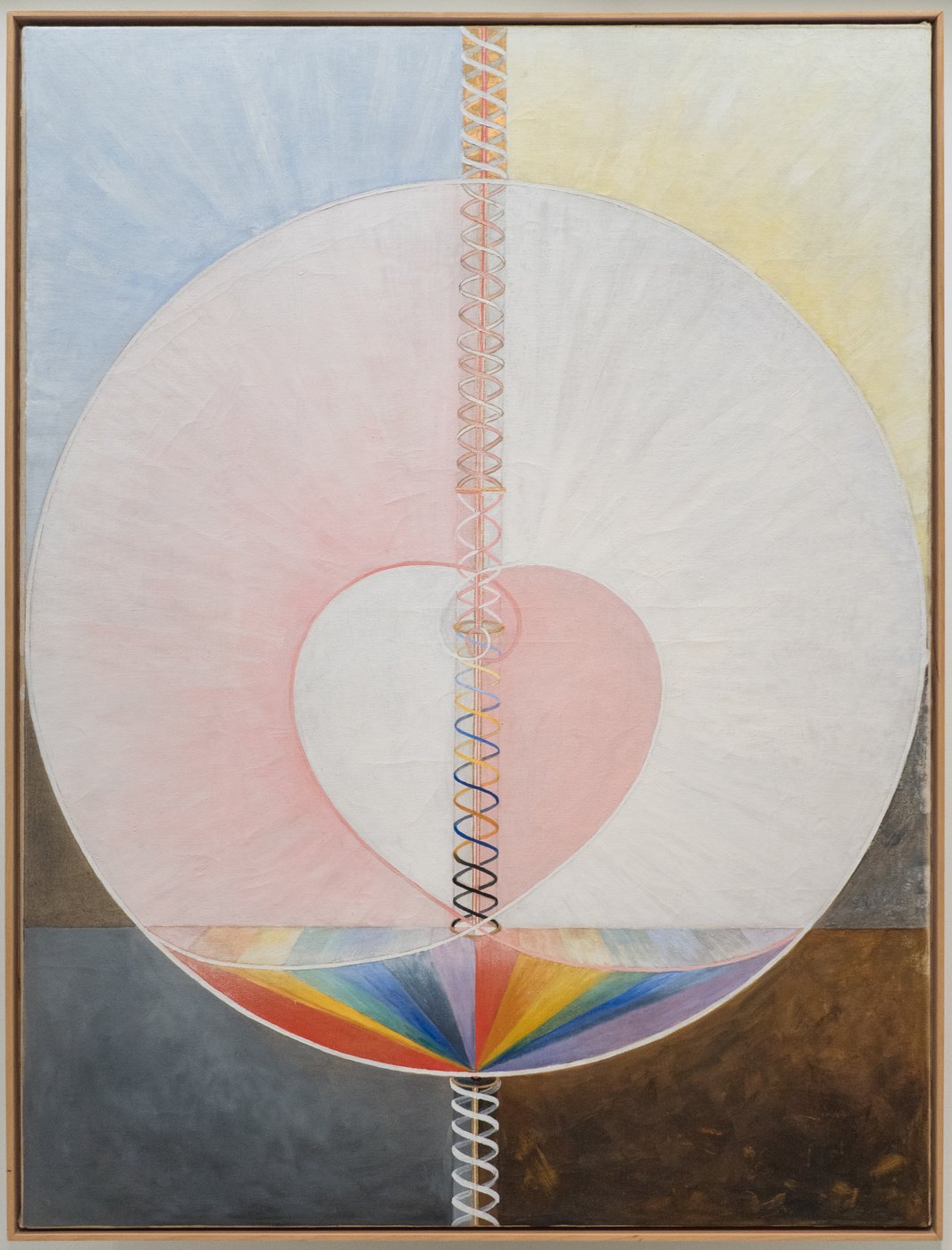
The Dove, No. 1
Two spirals descending through a white circle. The correspondence to the DNA helix is uncanny—but she could not have known.
Watson and Crick: 1953. She painted this thirty-eight years early.
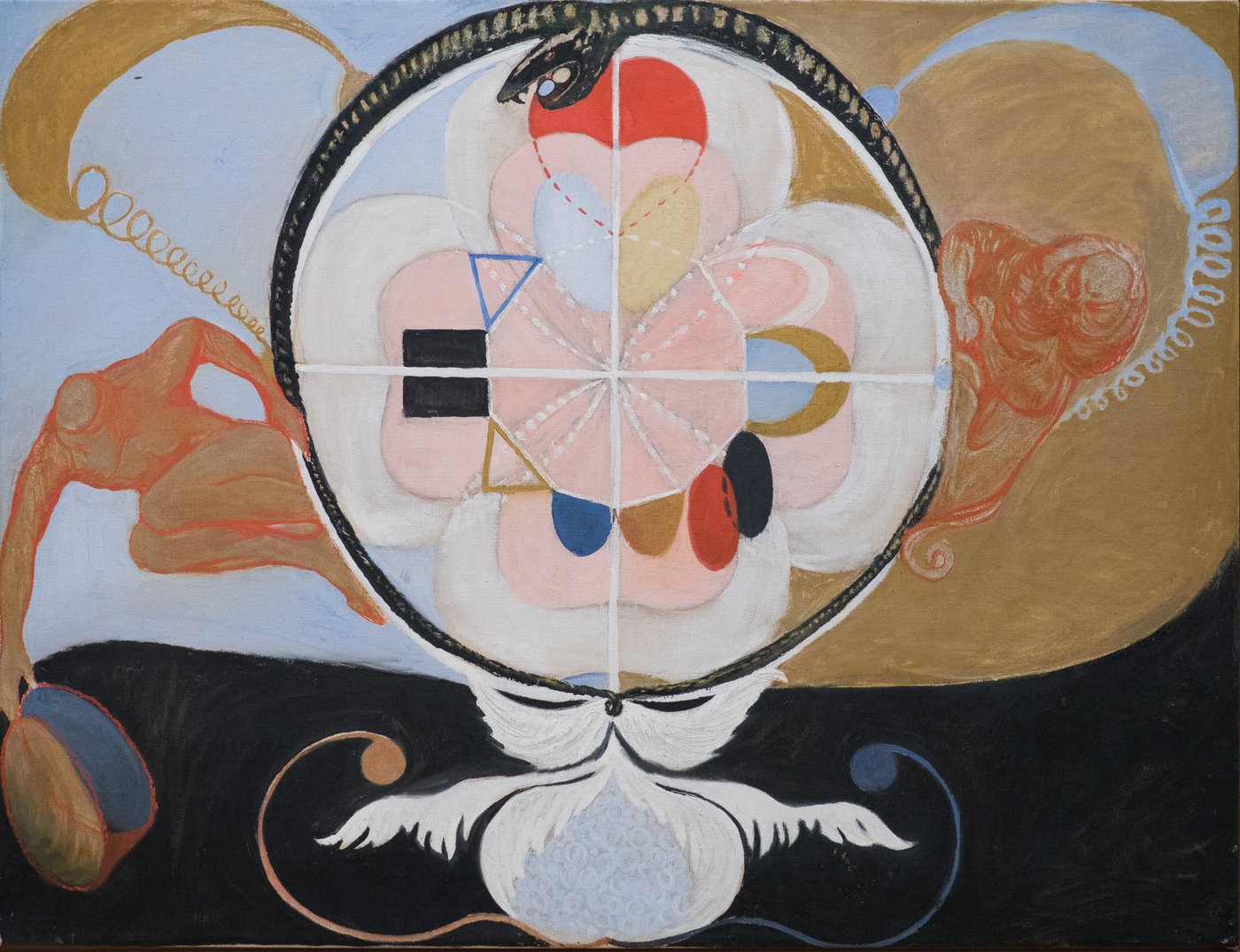
The Evolution, No. 13
An ouroboros—the snake eating its tail. The process that produces itself. The loop never opens.
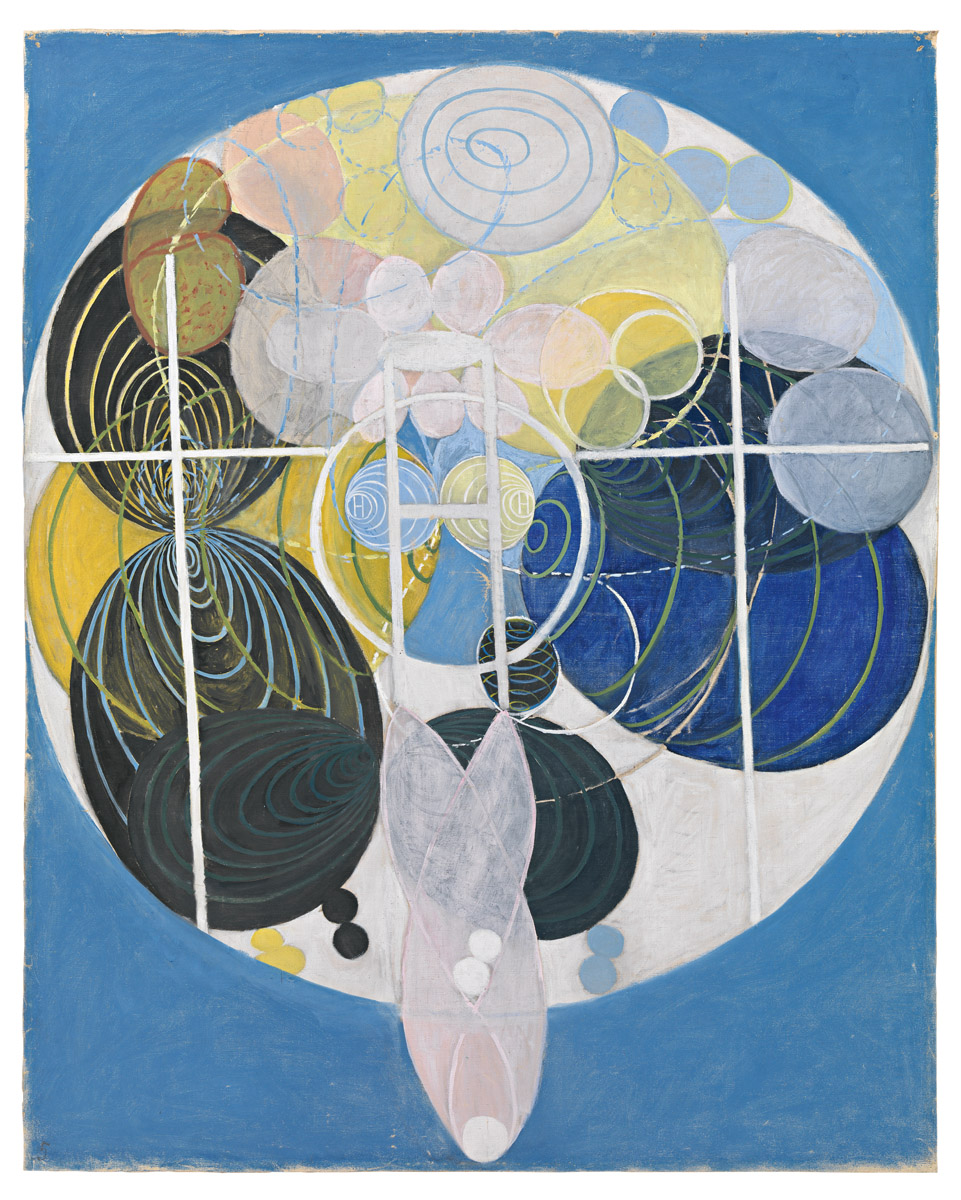
The Key to All Works to Date
A meta-painting: a work that explains other works. A decoder ring for her symbolic language.
And now you have the key.
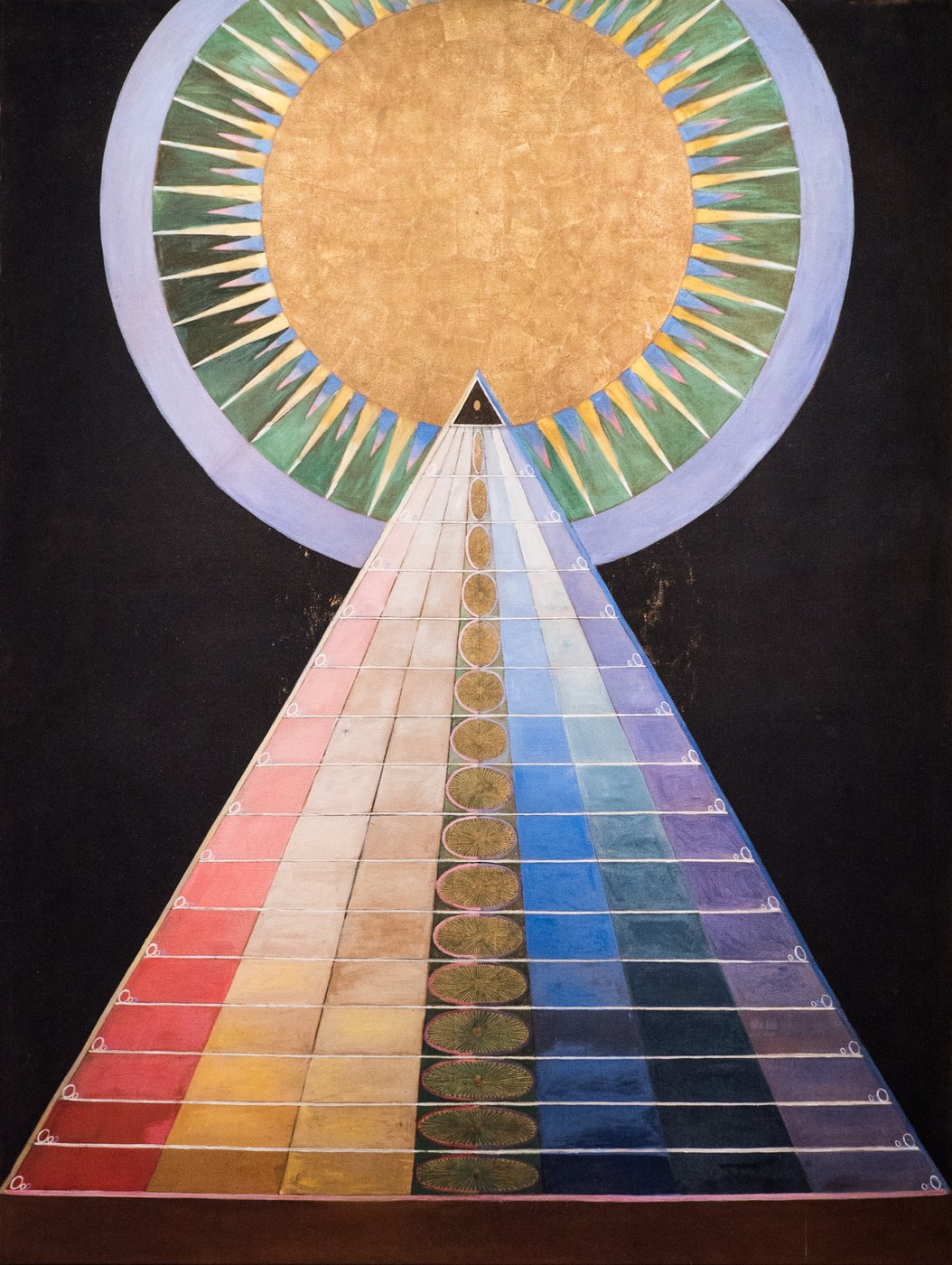
Altarpiece, No. 1
The largest work she ever made, intended for a spiral temple never built. A map of ascent. We start in the body. We end in light.
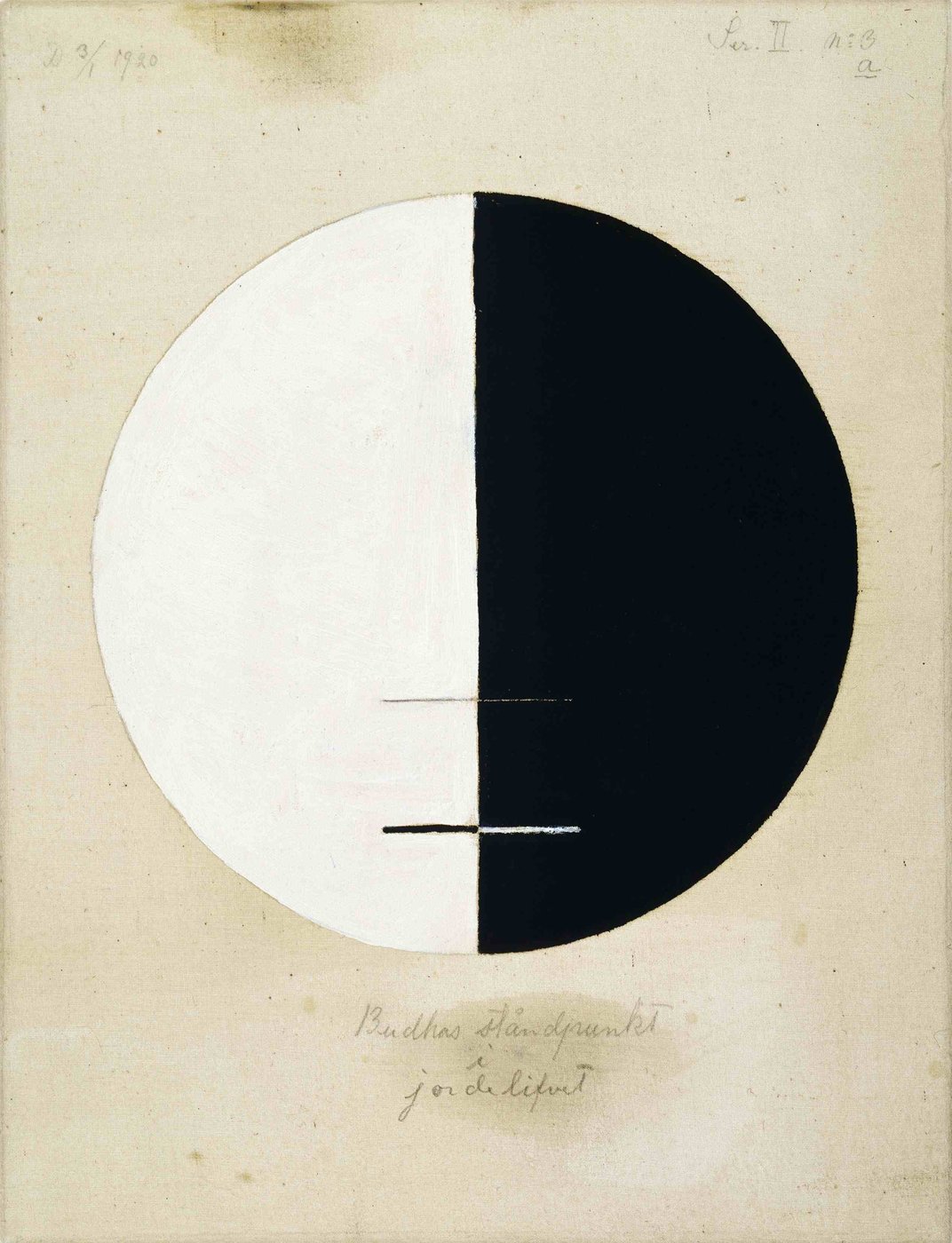
Buddha's Standpoint in Earthly Life
A circle divided exactly in half. White and black. After all the spirals and emanations, she arrived here: duality in equilibrium.
Neither side wins. Neither side needs to.
These paintings share something hard to name:
they feel alive.
The moment before structure emerges or collapses.
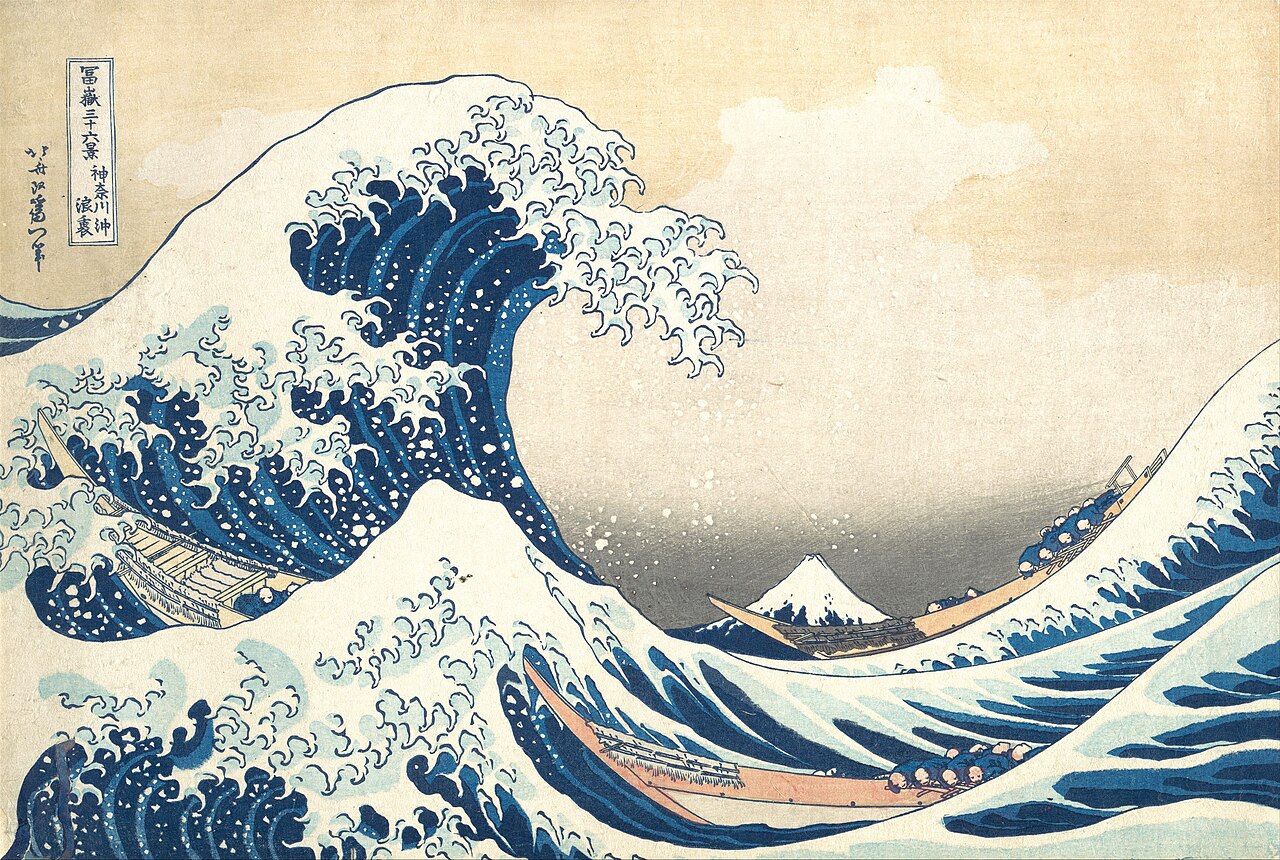
Under the Wave off Kanagawa
The most reproduced image in Japanese art. Hokusai was in his seventies. Look at the foam: each tendril fractalizes into smaller tendrils.
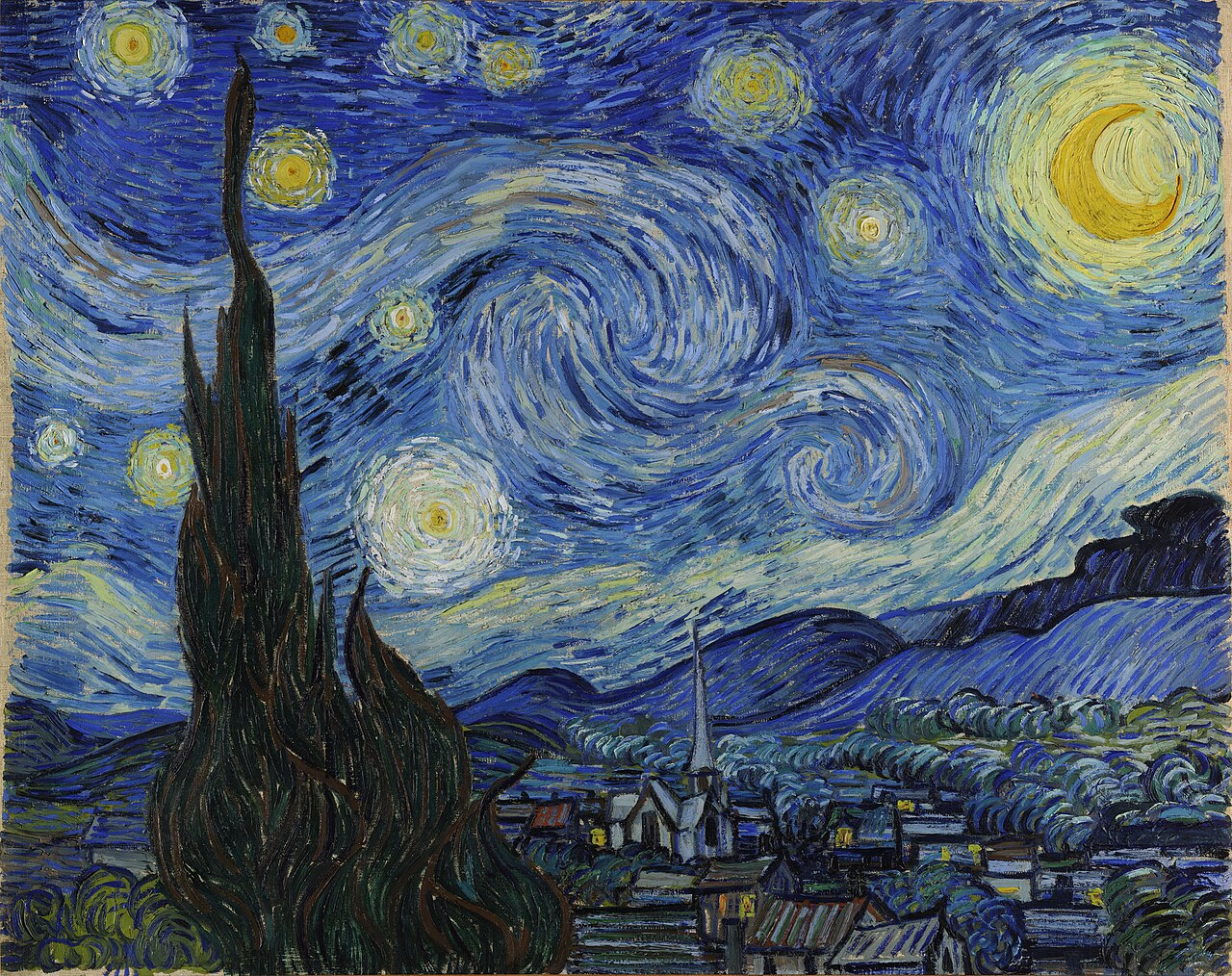
The Starry Night
Painted at the asylum. In 2008, physicists found his brushwork shows statistical similarities to turbulent flow.
He painted chaos correctly, by instinct.
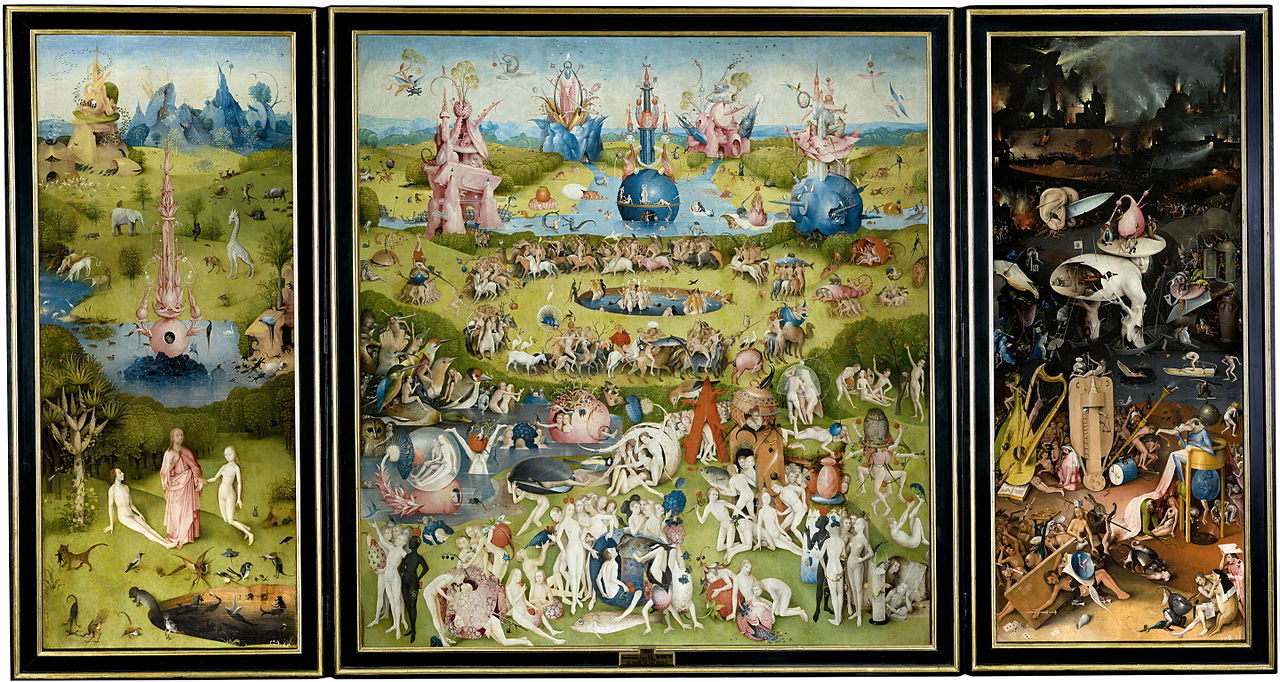
The Garden of Earthly Delights
A triptych within this triptych. Paradise, earthly pleasures, Hell. The painting is dense enough to get lost in for hours.
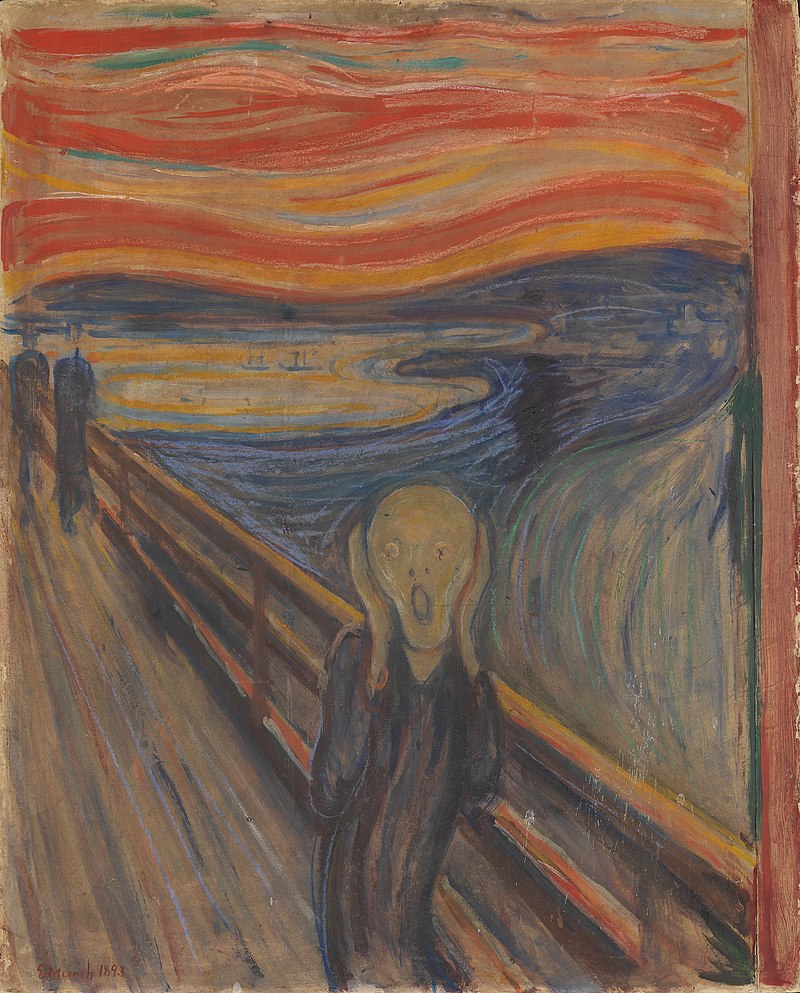
The Scream
The figure is sexless, ageless. Munch wrote of feeling "a great, unending scream piercing through nature."
The observer and the observed becoming indistinguishable.
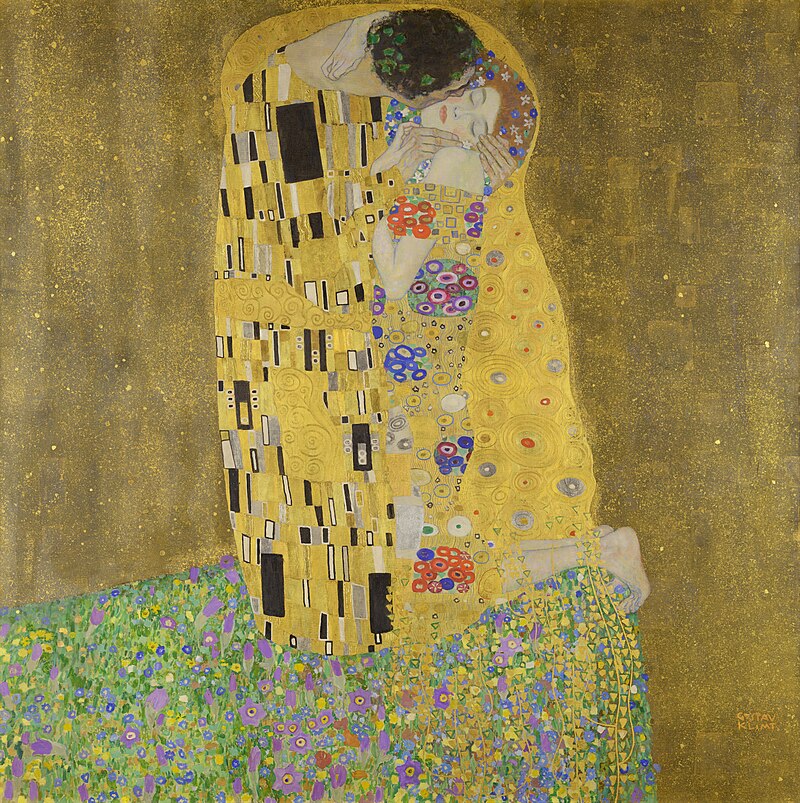
The Kiss
Two lovers dissolved into one gilded form. His robe is rectangles; her dress is flowers and circles. Their bodies merge at the edge of a cliff.
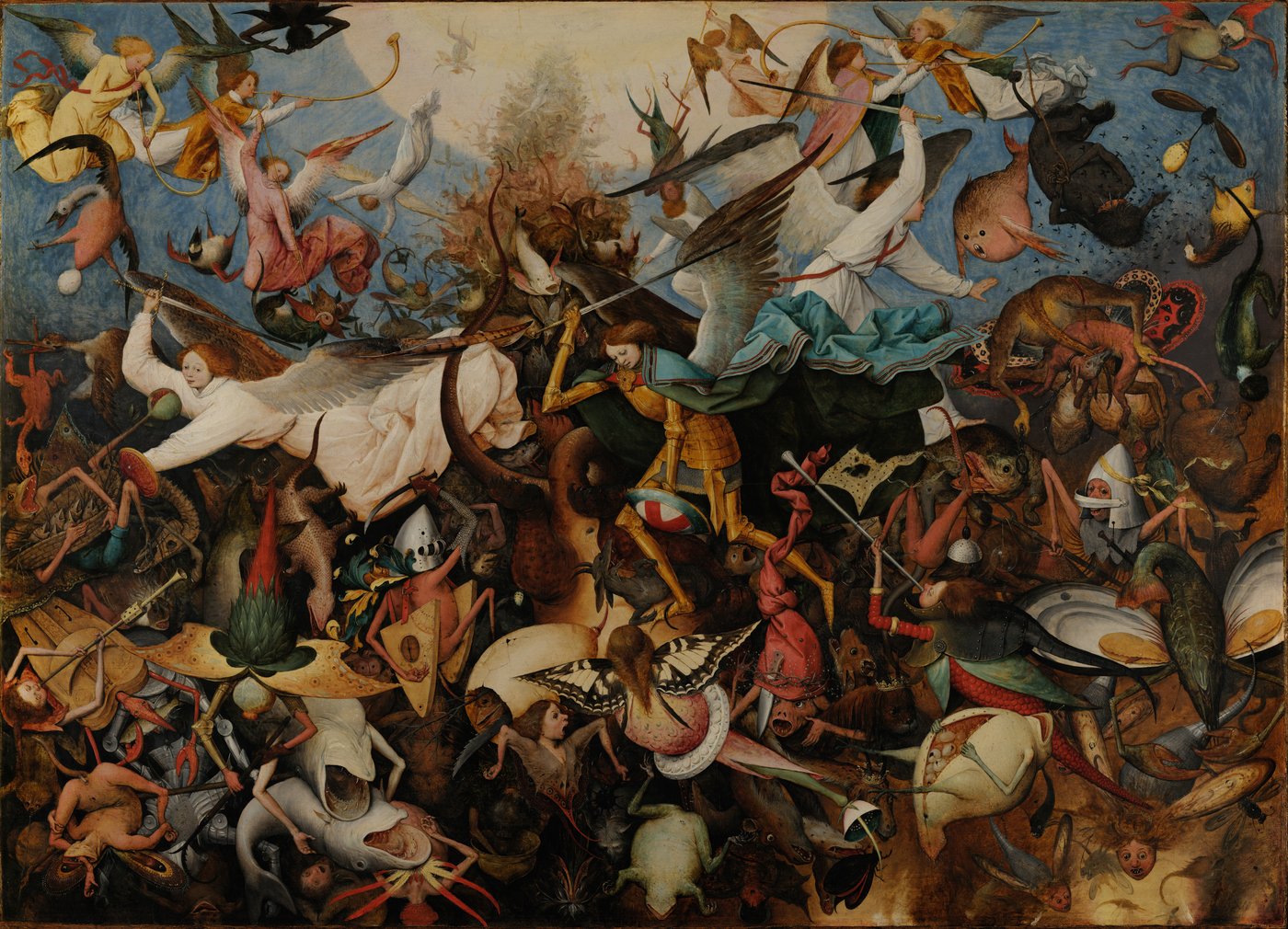
The Fall of the Rebel Angels
Angels become demons become insects become unnameable things. The transformation is the fall. Almost entirely about becoming something else.
Structure · Recursion · Turbulence
The triptych is complete.
Three ways of seeing. Three doorways into the same room.
鏡
Kagami.
The mirror that equals its reflection.
This was never about the paintings.
It was about what they show you.
Something you already knew,
but hadn't seen yet.
The shop was always there.
You just needed to be ready to find it.
∎